
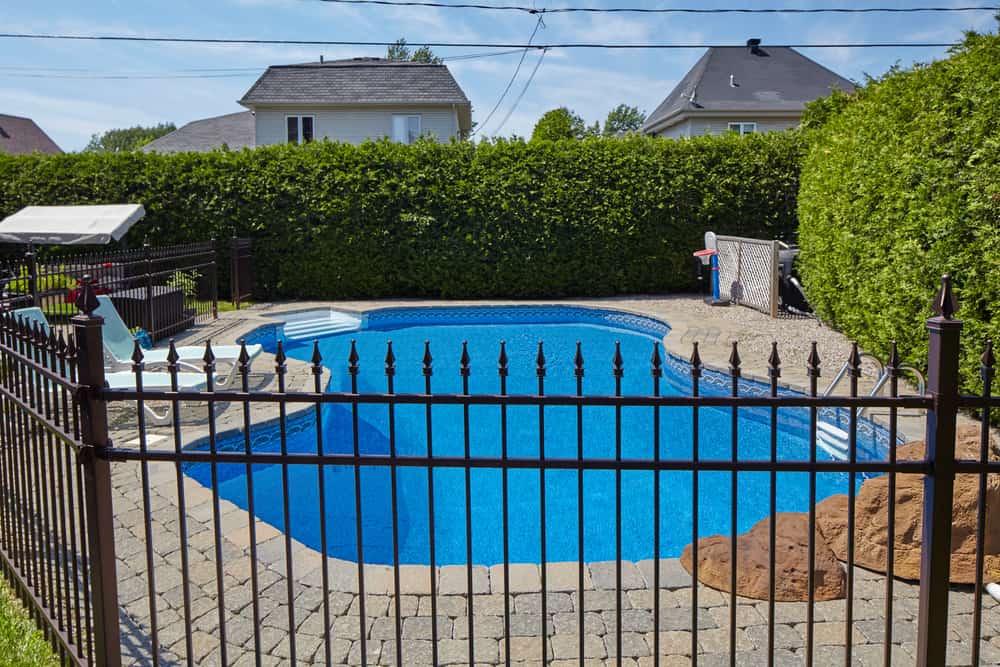
Choosing the right fence material is one of the most important decisions you can make for your property. A fence affects security, curb appeal, maintenance needs, and long-term value. It also plays a big role in how your home or commercial space looks and feels.
Two of the most popular metal fencing options are wrought iron and aluminum. At first glance, they look similar. Both offer clean lines, open visibility, and classic appeal. But once you look closer, there are important differences in strength, cost, upkeep, and performance.
If you’re trying to decide between wrought iron and aluminum, this guide breaks down everything you need to know.
Benefits of Wrought Iron Fences
Wrought iron fencing has been used for centuries. It’s known for its strength, weight, and timeless appearance.
Durability and Strength
Wrought iron is extremely strong. It can withstand heavy impact, harsh weather, and daily wear. Because of its weight and solid construction, it’s one of the most secure fencing materials available.
If security is a top concern, wrought iron delivers a high level of protection. The thick metal bars are difficult to bend or break, making it a reliable barrier for residential and commercial properties.
Aesthetic Appeal
Wrought iron has a classic, upscale look. It’s often associated with historic homes, estates, and decorative gates. The material can be shaped into detailed scrolls, curves, and ornamental designs that add character and elegance.
If you want a bold, traditional appearance, wrought iron makes a strong visual statement.
Maintenance Needs
Despite its strength, wrought iron does require maintenance. Because it is made of iron, it is vulnerable to rust. Over time, moisture and humidity can cause corrosion if the fence is not properly protected.
Most wrought iron fences are coated with paint or a protective finish. These coatings help prevent rust, but they may need to be reapplied over time. Small scratches or chips should be touched up quickly to stop rust from spreading.
Regular inspections and occasional repainting are part of owning a wrought iron fence.
Cost Considerations
Wrought iron fencing is typically more expensive than aluminum. The material itself costs more, and installation can also be higher due to its weight and labor requirements.
While it offers excellent durability and security, the upfront investment is something to consider.
Benefits of Aluminum Fences
Aluminum fencing has become a popular alternative to wrought iron. It offers a similar appearance with several practical advantages.
Cost-Effective Option
One of the biggest benefits of aluminum fencing is affordability. Aluminum is generally less expensive than wrought iron in terms of material and installation costs.
Because aluminum is lighter, installation tends to be faster and less labor-intensive. This can help reduce overall project expenses.
Low Maintenance
Unlike iron, aluminum does not rust. This makes it an excellent choice for areas with high humidity, heavy rain, or coastal conditions.
Most aluminum fences are powder-coated. This finish helps protect against fading, chipping, and corrosion. In many cases, aluminum fences only need occasional cleaning with mild soap and water to keep them looking new.
For property owners who want minimal upkeep, aluminum is a strong contender.
Weather Resistance
Aluminum performs well in a wide range of climates. It resists rust, handles temperature changes, and stands up to moisture better than iron.
Because it does not absorb water or corrode easily, it can maintain its appearance for many years without major repairs.
Strength and Security
Aluminum is strong, but it is lighter and less rigid than wrought iron. While it provides good security for most residential applications, it may not offer the same level of impact resistance as solid iron.
For standard perimeter fencing, pool enclosures, and decorative boundaries, aluminum performs very well. For high-security environments, wrought iron may have the edge.
Design Limitations
Aluminum fencing often mimics the look of wrought iron, including spear tops and decorative accents. However, it does not typically offer the same level of custom detail or handcrafted ornamentation.
If highly intricate, custom designs are important to you, wrought iron provides more flexibility.
Cost Comparison Between Wrought Iron and Aluminum
Cost is often one of the deciding factors when choosing a fence.
Initial Installation Costs
Wrought iron generally has a higher price tag. The material is heavier and more expensive to produce. Installation requires more labor and specialized equipment.
Aluminum fencing is usually more budget-friendly. The lighter weight reduces labor time, and prefabricated panels can speed up installation.
Long-Term Maintenance Costs
Maintenance plays a role in long-term value. Wrought iron may require periodic repainting, rust treatment, and repairs. These ongoing costs can add up over time.
Aluminum, on the other hand, has lower maintenance expenses. Since it does not rust, it usually requires less repair work and fewer protective treatments.
Other Cost Factors
Several factors influence the final price of either option:
- Fence height and length
- Design complexity
- Custom features or decorative elements
- Site conditions and terrain
- Labor rates in your area
Simple designs cost less than custom ornamental styles. When budgeting, it’s important to consider both upfront and long-term expenses.
Durability and Maintenance Needs
Durability and upkeep go hand in hand when comparing wrought iron and aluminum.
Lifespan
Both materials can last for decades when properly installed and maintained.
Wrought iron is extremely strong and can last a very long time. However, its lifespan depends on how well it is protected from rust. Without proper maintenance, corrosion can shorten its life.
Aluminum is naturally resistant to rust. This gives it an advantage in wet or coastal climates. Its powder-coated finish helps protect against weather damage and fading.
Routine Maintenance
Wrought iron maintenance may include:
- Inspecting for rust spots
- Sanding and repainting affected areas
- Reapplying protective coatings
Aluminum maintenance usually involves:
- Washing with mild soap and water
- Checking for loose hardware
- Minor touch-ups if needed
If you prefer a fence that requires less attention, aluminum is often the easier choice.
Security Benefits of Wrought Iron vs Aluminum
Security is a key reason many property owners choose metal fencing.
Structural Strength
Wrought iron is heavier and more rigid. It is difficult to cut or bend, making it one of the strongest fencing materials available. For properties that need a high level of protection, this added strength can make a difference.
Aluminum provides solid security for most residential needs. It creates a visible barrier and helps define property lines. However, it may not match the sheer toughness of solid iron in high-impact situations.
Design Features That Improve Security
Both materials can include features that enhance security, such as:
- Spear-top pickets
- Taller fence panels
- Closely spaced vertical bars
- Secure gates and locking systems
If maximum strength is your top priority, wrought iron often has the advantage. If you need reliable security with lower maintenance, aluminum is still a dependable option.
Aesthetic and Design Options
Appearance matters just as much as performance.
Wrought Iron Style
Wrought iron offers a traditional and elegant look. It works well with historic homes, luxury properties, and formal landscapes. Custom scrollwork and decorative details can make the fence a standout feature.
It also pairs well with stone pillars, brick columns, and large entry gates.
Aluminum Style
Aluminum fencing is designed to resemble wrought iron but with a cleaner, more streamlined appearance. It fits well with modern homes, suburban neighborhoods, and pool areas.
While design options may not be as intricate as handcrafted iron, aluminum still offers a wide range of styles, heights, and finishes.
Choosing Based on Design Goals
If your goal is bold character and custom detail, wrought iron may be the right fit.
If you prefer a clean look that blends easily with many home styles, aluminum can deliver that appearance at a lower cost and with less upkeep.
Which Fence Is Right for You?
Both wrought iron and aluminum fences offer strong benefits. The right choice depends on your priorities.
Wrought iron stands out for strength, security, and classic design. It offers a high-end look and impressive durability, but it requires more maintenance and a larger upfront investment.
Aluminum provides a similar appearance with lower costs and minimal upkeep. It resists rust, performs well in most climates, and works well for residential properties.
When deciding between the two, consider:
- Your budget
- Your desired level of maintenance
- Your security needs
- The style of your home or property
- Your local climate
If you want maximum strength and custom detail, wrought iron may be the better option. If you value affordability, low maintenance, and long-term weather resistance, aluminum is often the smarter choice.
At First Fence Company, understanding the differences between these materials helps you make a confident, informed decision. The right fence should not only protect your property but also complement its overall look for years to come.