
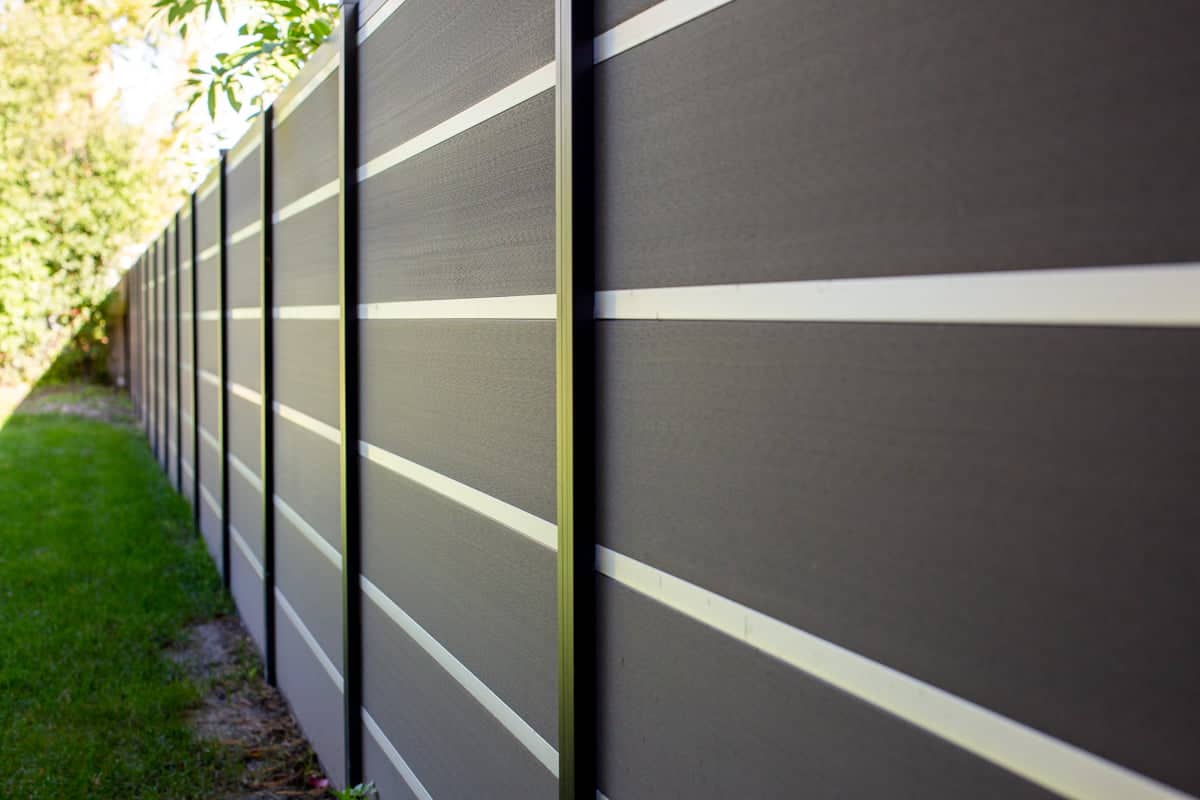
Once you’ve made the smart decision to fence your property, the next thing to think about is the aesthetics of the fence, and color is the most obvious feature that will stand out. Just like choosing a color for your house, choosing the right fence color is extremely important. After all, it’s going to be there for a long time and you want it to be just right!
It’s going to affect the look of your property grounds, influence all of your subsequent landscaping and even reflect you and your home’s personality.
You may want to consider the latest trends in fence colors in making your choice. Fence color trends in 2026 shift away from flashy choices and toward colors that feel adaptable. Natural wood tones are still popular, but they’re often paired with softer finishes. Warm grays, muted greens and modern charcoals are showing up more frequently because they don’t fight for attention with their surroundings. These trending fence colors work because they leave room for change, and that flexibility matters.
MATCHING FENCE COLOR WITH YOUR HOME
Although the color choices for your new fence might seem limitless, the biggest thing you need to consider in order to choose the right fence color is the color of your home. Yes, technically you can choose any color under the rainbow. Remember, if your home happens to be a traditional Cape, you might be looking at a bit more contrast than you bargained for. And a neon green fence wouldn’t mesh with most house colors, to be fair!
So coming back to reality, you should consider the color of your home. The fence should look like a natural extension of your property. If the color of the house isn’t helping you decide, consider the trim colors of your home. From there, you can build a nice palette of possible colors that will either complement your house’s color or contrast with it in an aesthetically pleasing way.
THE PSYCHOLOGICAL IMPACT OF FENCE COLORS
Once you’ve narrowed down the possibilities by finding a palette that will go with your house color, you can get to the fun part, which is learning the psychological impact of fence colors. If you thought color has nothing to do with feelings, you should know that advertising companies rely heavily on the fact that, yes, colors impact how you feel.
Darker fence colors often suggest stability and permanence. They can make a property feel established and secure, which appeals to many buyers and tenants. Lighter colors tend to feel more relaxed and welcoming, creating an impression of openness that works well in residential settings. Fence color affects how people feel about a property, even if they can’t put their finger on why, so it’s very much worth it to take this into account.
FENCE COLOR MAINTENANCE AND DURABILITY
Maintenance is where fence color choices become very real, very fast. Some colors look great at installation and then demand constant attention. Others age quietly and gracefully, even with minimal upkeep.
The reason is simple. Your fence is outside. It’s constantly exposed to the sun’s UV rays (yes, even on cloudy winter days in Illinois). That alone can fade colors, especially vibrant ones and dark ones. Then there’s general exposure to the elements.
Lighter fence colors typically show dirt, mildew or staining more easily, especially in shaded or damp areas. Mid-tone colors often strike a practical balance, hiding minor wear while still looking intentional.
Durability also depends on what’s underneath the color. The fence material, the quality of the finish and how well the surface was prepared all matter. Exterior-grade stains and paints tend to hold up better, especially when they’re designed for long-term exposure.
If you’re thinking ahead, it helps to choose a color that works with the material rather than against it. That approach usually leads to fewer touch-ups and a fence that still looks good years down the line.
If you want to keep your wood fence’s color looking fresh , consider having it clear-coated. This extra step is well worth it, especially considering your fence is a long-term investment. Also remember that it will never be as easy as right now to coat your fence. Later on, you’ll have grass, shrubbery, trees and who knows what else to contend with. Your fence installation company will be able to advise you as to how best to protect your wood fence with some kind of clear coat.
LANDSCAPING WITH FENCE COLORS
A fence doesn’t stand alone, unless you’ve got it running on the perimeter of a pasture. It runs alongside grass, trees, gardens and hardscaping, which means its color affects how those elements are perceived. When fence color and landscaping work together, the outdoor space feels cohesive instead of pieced together.
Earth-toned fence colors often pair naturally with landscaping. Browns, greens and warm neutrals allow plants to stand out while still providing a clear boundary. This works especially well in gardens that change throughout the year, where the fence needs to adapt visually as seasons shift.
In more structured landscapes, fence color can provide contrast. A darker fence behind lighter plantings can make greenery look richer and more vibrant. In simpler designs, a consistent fence color can reinforce clean lines and a sense of order.
When landscaping is part of the overall plan, fence color becomes a design tool rather than a last-minute decision.
Imagine how beautiful your Azalea shrubbery will look against the backdrop of a forest green fence. Or how vibrant your Hydrangeas will look against a dark, hazel brown fence. In terms of landscaping and your fence color, it helps to think like an artist creating a beautiful vista.
FENCE COLOR FOR RESALE VALUE
Fence color can influence resale value by shaping how buyers perceive the property as a whole. Even if buyers don’t mention the fence specifically, they certainly take note of whether it feels like an asset or something they’ll need to contend with once the keys are handed over.
Now, you shouldn’t choose a fence color for some future, anonymous buyer you haven’t even met yet. But if you have plans to flip the property or you know you’re going to be selling once your family gets bigger, it’s helpful to consider not choosing a color that will turn off future buyers.
Neutral fence colors tend to appeal to the widest range of buyers. They don’t require much imagination and don’t feel personal in a way that could turn someone off. Colors that feel timeless rather than trendy usually support a smoother resale process.
Changing fence color alone won’t transform a property’s value, but it can reinforce positive impressions when paired with other exterior updates. In competitive markets, those details can help a listing stand out, especially if you’ve installed some beautiful landscaping to show off your property’s gorgeous outside appearance.
SEASONAL FENCE COLOR CONSIDERATIONS
Fence colors don’t look the same year-round. Sun angle, foliage and weather all change how color is perceived. A shade that feels warm and inviting in summer might feel flat or stark in winter.
That’s why it helps to think about how a fence color performs across seasons. Neutral tones tend to adapt better, maintaining balance whether the yard is full of greenery or completely bare. A white fence will reflect light back at the house, even on the dreariest days. If you tend to get down on gray days, it pays to pick a fence color that takes that into consideration.
Looking at samples in different lighting conditions can prevent surprises later. Seeing how a color looks on cloudy days, bright afternoons and shaded areas gives a more realistic sense of how it will behave over time.
CHOOSING A FENCE COLOR THAT FEELS RIGHT
Selecting the right fence color benefits homeowners by strengthening curb appeal, supporting long-term property value and reducing maintenance concerns. When color choices take architecture, landscaping, psychology, durability and seasonal change into account, the result feels thoughtful rather than rushed.
The most successful fence color decisions usually come from stepping back and looking at the entire property, not just the fence itself. That wider view leads to choices that still feel right years later.
First Fence Company designs and installs attractive residential fences and commercial fences throughout the Chicago area, helping property owners choose fence colors that fit their homes, their landscapes and their long-term goals. With the right guidance, choosing a fence color becomes less about guessing and more about creating a property that feels cohesive from every angle.