
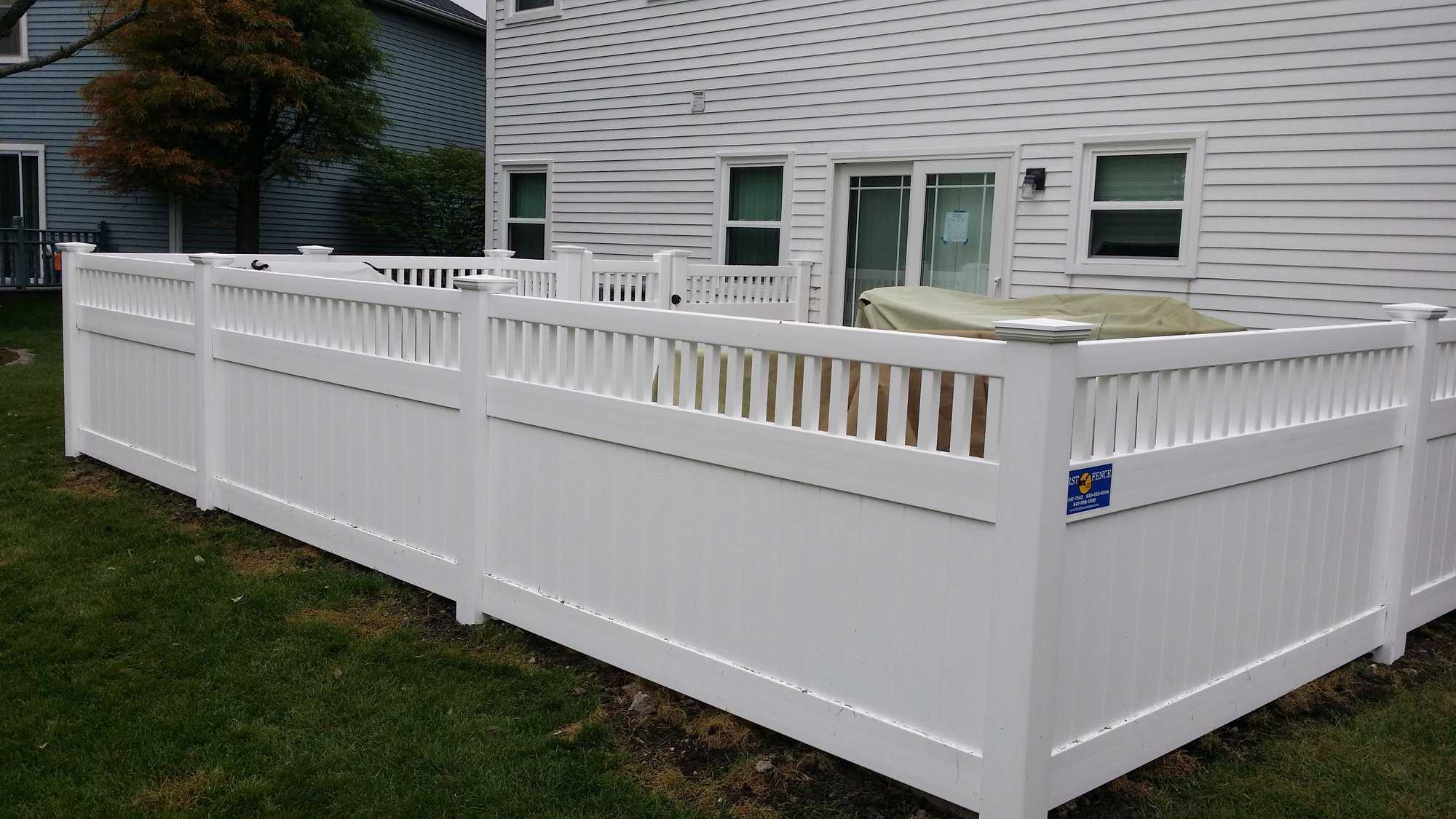
PVC fencing provides a durable, low-maintenance and attractive alternative to traditional wood or metal systems for residential and commercial properties. It’s made from polyvinyl chloride, so these vinyl fences resist moisture, pests and corrosion. They also maintain their appearance and structural integrity for decades with minimal upkeep.
Homeowners, DIY enthusiasts, contractors and property managers increasingly choose PVC fences because they want consistent privacy, clean lines and predictable long-term costs instead of constant scraping, staining and repair work.
PVC doesn’t rot, warp or splinter like wood and doesn’t rust like steel, which makes it valuable in harsh Midwestern climates, like Chicagoland. Modern PVC fencing styles and colors also go far beyond the basic white privacy panel, so that projects can blend seamlessly with architectural styles ranging from classic suburb to contemporary urban infill.
When paired with professional design and installation from a specialist such as First Fence Company, PVC fencing functions as a long-term asset that enhances curb appeal, privacy and security, while keeping maintenance demands low.
PVC Fencing Guide: Exploring Features and Benefits
PVC fencing uses polyvinyl chloride profiles engineered for exterior use. It often features internal reinforcement and UV inhibitors that improve impact strength and color stability. In fencing, manufacturers typically refer to these systems as PVC fences or vinyl fences. They form part of the broader family of synthetic fences that also include polypropylene and composite options.
PVC fencing benefits start with material performance. It won’t absorb water, which prevents swelling, rot and decay. It also resists termites and other wood-boring insects that shorten the lifespan of wood fences. The material also resists corrosion, so unlike steel or iron, it doesn’t develop rust, even in areas with road salt, pool chemicals or heavy rain exposure.
Quality vinyl systems often last 20 to 30 years or more, while typical wood fences last about 10 to 15 years when exposed to the same climate. Wood requires regular painting, staining or sealing, while PVC only needs periodic washing, which dramatically reduces labor and material costs over the fence’s life.
PVC fence styles and colors also fuel demand, as manufacturers offer tongue-and-groove privacy panels, decorative pickets and semi-private types in white, tan, gray and realistic wood-grain finishes. These features allow owners to match fences to trim, siding or outdoor structures without accepting the fading or peeling often associated with painted wood.
Benefits of PVC Fencing
Vinyl fences have several benefits over wood or metal fences, including:
- Long performance warranties, as they maintain structural integrity for decades
- A nonporous surface that helps prevent mold or mildew from penetrating the material
- A clean, uniform appearance with basic cleaning
- Solid or semi-solid panel designs that block sightlines and reduce noise transmission from neighboring properties or busy streets
- Taller privacy panels with interlocking boards or tongue-and-groove construction to limit gaps
- Decorative lattice or accent rails to preserve an open feel at the top without compromising seclusion at ground level
PVC fencing performs as a long-term cost-effective solution, as it avoids frequent repainting, board replacement and insect remediation. With only washing, instead of painting or staining, it lasts much longer than wood fencing.
The longevity of PVC fence is due to the stable plastics and UV-resistant formulations that prevent brittleness and excessive fading when manufacturers follow industry standards. When owners follow basic PVC fencing maintenance practices, such as rinsing off debris and avoiding impact from lawn equipment, the systems usually outlast many wood counterparts and remain structurally sound.
Styles and Colors of PVC Fencing
Modern PVC fencing styles give designers a broad number of choices. Privacy panels suit backyards and side yards where owners prioritize screening and security, while traditional picket designs frame front yards without closing them off visually. Shadow-box and semi-privacy layouts allow airflow and partial visibility, which works well for pet areas, gardens or properties that need containment and openness.
PVC fencing colors contribute directly to curb appeal. White vinyl fences remain popular because they are like painted wood, but stay bright without regular repainting, while neutral tones such as tan or gray work for different palettes and stonework. Wood-grain PVC types offer advantages for homeowners who want the look of stained lumber with none of the associated weathering and splinters.
Manufacturers also supply PVC fencing options such as textured surfaces, decorative post caps and integrated gates, so projects can reflect specific design preferences. These customization paths support privacy solutions that match architectural styles, from classic ranch homes to modern multifamily buildings, while keeping a consistent low-maintenance profile.
PVC Fencing Installation and Maintenance
Successful PVC fencing installation begins with layout, accurate post spacing and attention to frost-depth footing requirements in local codes. Installers set posts in concrete, ensure plumb and level alignment and then attach rails and interlocking panels according to manufacturer specifications.. While skilled DIY enthusiasts can follow an installation guide, many owners rely on experienced PVC fencing contractors for efficient, code-compliant work.
A sensible fence maintenance schedule is straightforward. Wash panels once or twice a year with mild soap and water, address any algae or surface discoloration with non-abrasive cleaners, and inspect hardware and gates for proper alignment. Simple PVC fence care tips, such as trimming vegetation away from the fence line and avoiding leaning heavy objects against panels, help prevent appearance and structural stability.
Common issues include isolated discoloration from landscaping chemicals, minor cracks from impact or shifting posts in freeze-thaw conditions, rather than inherent material decay. Many manufacturers and contractors offer PVC fencing repair options, so owners can switch out damaged boards or rails without dismantling entire runs.
Comparing PVC Fencing With Other Materials
When evaluating PVC instead of wood or metal for fences, durability and weather resistance dominate the conversation. Vinyl fences do not rust or corrode, unlike steel or iron fences, and they avoid the rot, warping and insect damage that shorten the life of wood fences. Quality PVC formulations include UV stabilizers that reduce fading and brittleness, which allows PVC fencing’s durability to remain high even in sunny and wet climates.
Over the lifespan of a fencing project, vinyl PVC fencing often provides greater value since it requires little to no painting, staining, or significant structural repairs.. Analyses comparing fence lifespans show that while wood may cost less upfront, replacement cycles and maintenance tilt PVC fencing price comparison metrics toward vinyl for most long-term property plans.
Environmental considerations require nuance. Vinyl production consumes fossil-fuel-derived feedstocks, and end-of-life recycling options remain more limited than for some metals, yet the long PVC fence lifespan and minimal chemical coatings reduce waste and solvent use compared with repeatedly finished wood. Some manufacturers increasingly incorporate recyclability into their processes, which improves the sustainability profile of PVC fences over time.
PVC Fencing for Specific Applications
PVC fencing for pools uses the material’s resistance to moisture and chemicals, which helps it hold up around chlorinated or saltwater environments where wood quickly deteriorates and metal can corrode. PVC panels and gates can also meet local pool-barrier codes when designed with appropriate height, latch hardware and picket spacing, which supports pool safety goals.
For residential yards, privacy solutions rely on solid panels and semi-solid designs that deter intruders, shield outdoor living spaces and keep pets and children safely inside property lines. Taller fences, limited footholds and secure gate systems combine to address security concerns while preserving an attractive, cohesive look.
Durability across different climates stems from its resistance to rot and rust, and PVC’s ability to handle wide temperature swings without the checking and cracking that plague some wood fences. Regular PVC fencing maintenance, primarily cleaning and inspection, helps owners in hot, cold, coastal or humid regions maintain performance without intensive seasonal work.
Choose PVC Fencing With Confidence
PVC fencing is a comprehensive solution for modern properties, as it merges structural strength, low maintenance and flexible design into a single system. From classic white picket vinyl fences to tall privacy PVC fences, owners can tailor height, style and color to match architectural goals while still benefiting from long service life and simple upkeep.
Key benefits include resistance to rot, insects and corrosion, a wide array of styles and color options and predictable maintenance that typically involves only occasional cleaning. When weighted against repeated staining and repairs on wood or rust management on metal, the long-term economics and day-to-day convenience of PVC make it a top choice for many homeowners, contractors and property managers.
First Fence Company specializes in designing and installing high-performance PVC fences across Chicagoland using vinyl systems recognized for strength, durability and attractive profiles. The team offers professional layout, post setting and repair services and helps clients choose the correct options for privacy, pools, pet containment and curb appeal. For tailored guidance on PVC fencing installation, styles and durability for your property, contact First Fence Company and explore PVC fences to start planning your next project.